
Ticks in the Yard This Spring? How a Natural Approach Cuts Them Down
October 22, 2026

QUICK ANSWER: A natural approach to tick control works by changing the places ticks live and, where needed, adding plant based treatments such as cedar oil products to the lawn edge. Most ticks in a Connecticut yard sit within about nine feet of the border between lawn and woods, so that strip matters far more than the sunny middle of the lawn. Cutting back shade and leaf litter, adding a dry barrier, and treating the edge can greatly reduce tick numbers. No natural program removes every tick, so you should still check yourself and your pets after time outside.
You step out to let the dog run, and an hour later you find a tick crawling on her ear. Or you pull one off your child's sock after a game of catch near the back fence. It is one thing to hear that ticks are common in New England. It is another to realize they are living in the same patch of grass where your family spends every warm weekend.
Many homeowners respond by looking for the strongest product on the shelf and spraying the whole yard. That approach tends to disappoint, and it worries people who garden, keep chickens or bees, or have dogs that roll in the grass. The better question is where the ticks actually are and what they need to survive. Once you know that, a natural approach becomes less about one magic spray and more about steady changes that make your yard a poor home for them.
Where Ticks Really Live in a Connecticut Yard
Ticks are not spread evenly across a lawn. Connecticut's own agricultural researchers have found that the blacklegged tick, often called the deer tick, is most abundant in the woods, where humidity stays high and wildlife passes through. On lawns, the large majority of deer ticks, about 82 percent in their findings, were located within nine feet of the lawn edge, especially near woods, stone walls, and ornamental plantings.
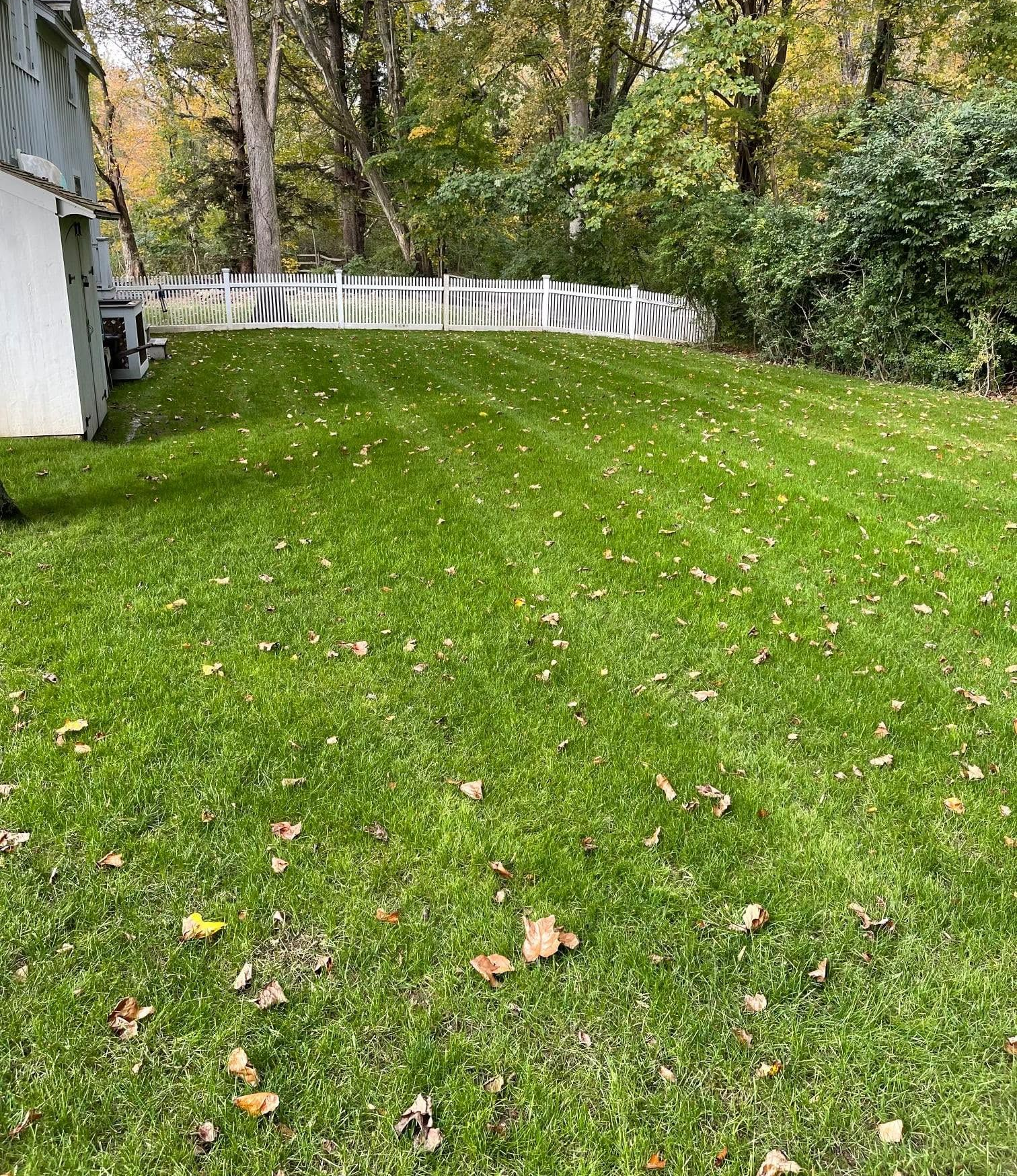
That is good news for a homeowner. A wide, sunny, well mowed lawn has very few ticks in its center. The trouble spots are the places where your yard meets something wilder: the back fence line, the strip under old maples, the stone wall along the driveway, the groundcover beds, and the thick shrubs by the shed. Ticks also turn up in low groundcover such as pachysandra, which holds moisture and gives them shelter.
Ticks need moisture because they dry out quickly in direct sun and wind. They climb grass blades and low plants in damp, shaded spots and wait for a mouse, chipmunk, deer, dog, or person to brush past. Anything that makes a spot sunnier, drier, and more open works against them, which is why habitat changes sit at the center of any natural program.
The Seasons Matter More Than Most People Think
Many families only think about ticks in summer, but the risk runs across much of the year. Nymphs, the tiny, poppy seed sized stage, are active from late spring through summer. They cause most Lyme disease cases in people because they are so small that they often go unnoticed. Adult ticks are larger and active in fall, on warm winter days, and again in early spring.
In central Connecticut, that means a mild November afternoon raking leaves can still bring you into contact with adult ticks, and a warm stretch in February can wake them up. If you are reading this in the fall, you are in a good position. Work done now on leaf litter, edges, and shade prepares the yard before the spring nymph season begins.
TIP: Walk your lawn edge once in late fall and once in early spring with a notepad. Mark every spot that stays shady and damp, every pile of leaves, and every gap in a stone wall. That list becomes your plan, and it points you to the few areas that deserve the most attention.
Change the Habitat First
The most reliable part of any natural tick program costs nothing in terms of chemicals. It is simply reshaping the places where ticks wait. Connecticut's researchers describe it as creating a tick safe zone by adding sunlight, removing tick habitat, and discouraging rodents.
Keep A Clean, Defined Border
Maintain a clear lawn-to-woods boundary by mowing regularly and preventing tall grass, brush, and weeds from spreading across the transition zone.
Add A Dry Barrier
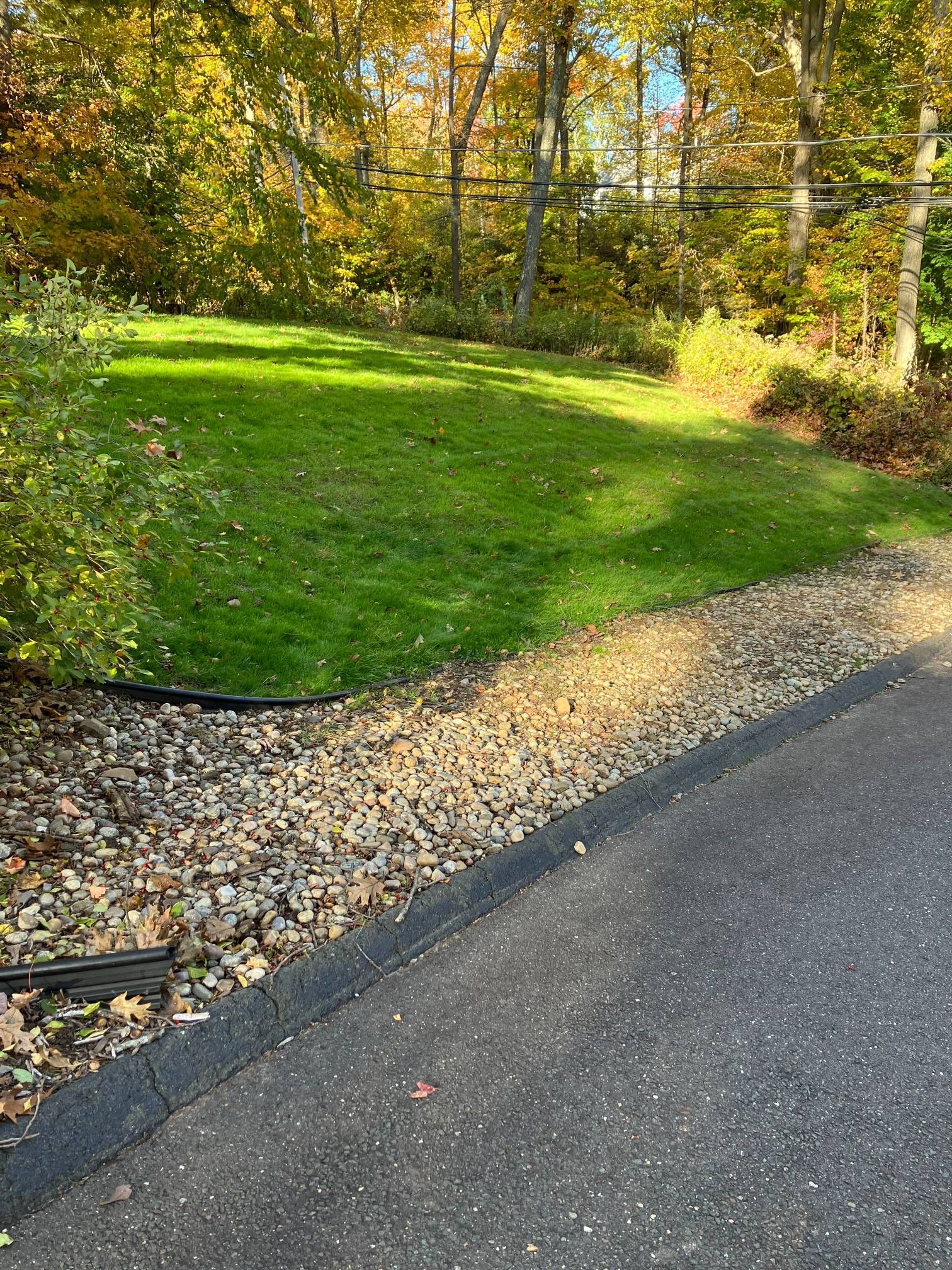
Create a strip of wood chips, bark mulch, or gravel between woods and lawn. Extend similar barriers around patios, walkways, and play areas.
Clear Leaf Litter
Rake leaves and plant debris along property edges, stone walls, and driveways. Removing damp litter reduces tick shelter and nesting opportunities for mice.
Let In More Light
Prune low branches and thin crowded shrubs along the lawn edge. Increased sunlight and airflow help dry the ground, making conditions less favorable for ticks.
Move The Play Set
Relocate swing sets and sandboxes away from tree lines toward sunny lawn areas. Keep groundcover limited around play spaces where children spend time.
Reduce the Animals That Carry Ticks
Ticks do not travel on their own. They ride on wildlife, and a yard that welcomes mice, chipmunks, and deer will always have more ticks than one that does not. You cannot remove wildlife from the neighborhood, but you can make your property less attractive to it.
Stone walls close to the house are popular with mice and chipmunks, so tidy them up and seal obvious holes where you can. Keep woodpiles away from the house and off the ground where practical. Move bird feeders away from the home, or take them down during peak tick season, because spilled seed draws the rodents that feed young ticks. Remove old furniture, trash, and debris piles where small animals nest.
Deer matter because adult ticks feed and mate on them. Research in Connecticut found that a full electric deer fence sharply reduced ticks inside it, but a fence is not realistic for most suburban lots. A more practical step is to plant deer resistant shrubs and perennials along the property edge. No plant is truly deer proof, but a hungry deer will usually pass over certain species first.
Take Out the Plants That Shelter Ticks
Invasive shrubs deserve a special mention. Japanese barberry has spread through many Connecticut woodlots and hedgerows, and its dense, humid cover is a favorite hiding place for mice and ticks. In one study, reducing barberry cover from 62 percent to 3 percent lowered the density of infected adult ticks to about 60 percent of unmanaged levels.
Non native honeysuckle and multiflora rose create similar thick, shady tangles. Removing them and replacing them with open, lower growing native plants makes the edge of your yard easier to manage and easier to see into. This is slow work, often done over a couple of seasons, but it pays off for years.
WARNING: Do not cut or pull large amounts of brush on a heavily infested edge without protection. Wear long pants tucked into socks, light colored clothing so you can spot ticks, and check yourself carefully afterward. Disturbing the thick cover can put you in direct contact with many hungry ticks at once.
Where a Natural Treatment Fits
Habitat work lowers the number of places ticks can thrive, but many families also want a treatment on the lawn edge. This is where the word natural needs a plain explanation. Plant based products, including those made with cedar oil and similar botanical oils, are often chosen by homeowners who prefer to avoid heavy synthetic chemicals around children and pets. Tick control programs based on organic chemistry and cedar oil products are one option for reducing the deer tick population in a yard.
It helps to know what the research says about these products. Testing of botanical tick products is still limited, and results vary. Some rosemary and peppermint oil products and garlic based sprays have suppressed ticks for roughly two to three weeks in trials, which is why a plant based program usually involves more than one visit across the season rather than a single application. Biological products made from a naturally occurring fungus that infects ticks have also shown reductions of roughly half to three quarters around homes when applied repeatedly through the season.
Timing and placement matter as much as the product itself. Connecticut's guidance points to treating the lawn and woodland edges, the stone walls, and shady spots rather than the open middle of the lawn. A late spring application, around mid May to early June, targets nymphs, and a fall application targets adults. A trained applicator also uses enough volume and pressure to reach down into leaf litter and low vegetation, where ticks actually sit.
What a Natural Approach Can and Cannot Do
An honest program has limits, and you should hear them before you start. A natural approach can greatly reduce the number of ticks in the places where your family plays, and it can make the yard noticeably safer for pets. It cannot create a tick free property. Ticks arrive on deer, mice, and neighbors' dogs every day, and the woods next door will always send some your way.
Think of it as lowering the odds, not erasing them. The combination of a drier, sunnier edge, fewer animal hiding places, and well timed edge treatments gives you the best results. Skipping any one of those makes the others work harder.
Personal habits still count. Check your children, your pets, and yourself after time outside, especially around the neck, ears, armpits, and behind the knees. Shower soon after coming indoors, and put outdoor clothes in the dryer for a short hot cycle. Talk to your veterinarian about tick prevention for your dogs, since a treated yard does not replace a pet protection plan. Many homeowners find that a good yard program plus these habits is what finally lets the family relax outside again.
A Simple Seasonal Plan for Your Yard
If you want a clear order of operations, this schedule works well for central Connecticut properties.
In fall, rake leaf litter from the perimeter, prune low branches, and clear brush along stone walls and the tree line. This is also the right time to treat for adult ticks if you plan to use an edge treatment.
In early spring, refresh wood chips or mulch on the dry barrier, trim any new growth along the border, and look again for damp, shaded areas that need more light. Move toys and furniture away from the edge before the weather warms.
In late spring and early summer, apply an edge treatment timed for nymphs, keep the lawn mowed, and keep the border clean. Through summer, mow regularly, because short grass dries faster at the soil surface and gives ticks less shelter.
Frequently Asked Questions
Where in my yard am I most likely to find ticks?
Mostly along the edges. Most deer ticks on a lawn sit within about nine feet of the border with woods, stone walls, and plantings. Shady groundcover and leaf piles also hold them; the sunny center rarely does.
Can I really get rid of ticks without strong synthetic chemicals?
You can greatly reduce them. Pruning, clearing leaves, and mulch or gravel barriers do much of the work, and cedar oil products can be added along the edge. Expect fewer ticks, not zero, so keep checking.
Is a natural tick treatment safe for my dogs and children?
Natural and plant based products are often chosen to limit exposure around pets and kids. Still, follow the applicator’s instructions on drying time and treated areas. Ask which products are used so you can match your household.
How often does an edge treatment need to be repeated?
Plant based products tend to have a shorter window than synthetic ones, in some trials around two to three weeks for certain oils. Natural programs commonly use repeat visits, with the schedule set to your property.
When is the best time of year to start?
Fall is an excellent starting point, since adult ticks are active and you can finish leaf and brush cleanup before winter. If you missed fall, begin in early spring, then treat the edge for late spring nymphs.
Will mowing the lawn really help with ticks?
Yes. Short grass dries out faster at the soil surface, which makes the lawn less comfortable for ticks. Mowing works best alongside a clear border, a dry barrier, and regular cleanup of leaf litter along the edge.
A Safer Yard Starts At The Edge
The path to fewer ticks is not a single product. It is a handful of practical choices: open up the shade, clear the leaves, build a dry barrier, discourage the mice and deer that carry ticks, and treat the right zones at the right time. Most ticks sit within a few feet of where your lawn meets something wilder, so that narrow strip matters far more than the sunny middle. Done together, these steps give your family more of the yard back, season after season.
Natural Choice Lawn & Tree Care
has spent 30
years working on Connecticut yards around Newington, CT, where damp shaded edges and leaf heavy stone walls give ticks exactly the cover they need. Reshaping that habitat first, then timing plant based edge treatments for nymphs in late spring and adults in fall, is what separates a real reduction from a single hopeful spray. Lowering the odds this way, alongside steady tick checks on children and pets, is what finally lets a family relax outside again.