
Common Tree and Shrub Problems Every Homeowner Should Watch For
June 9, 2026
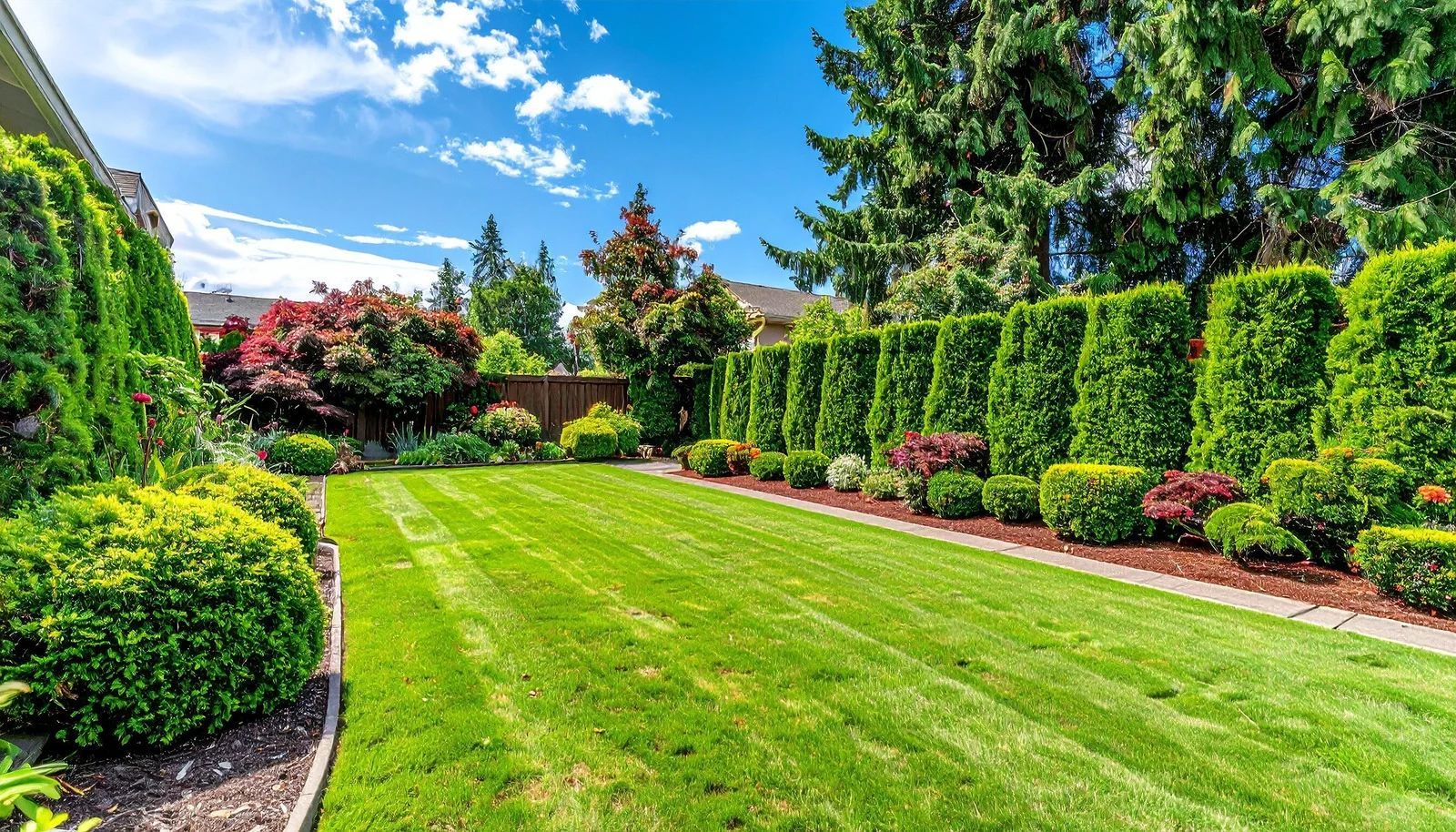
Trees and shrubs are among the most valuable features of any residential landscape. They enhance curb appeal, provide shade, improve air quality, support local ecosystems, and contribute to overall property value. However, like any living element in a landscape, trees and shrubs are vulnerable to a variety of health issues that can develop gradually or appear suddenly. Many homeowners focus on lawn care and seasonal maintenance but often overlook the early warning signs of declining plant health. Small problems such as leaf discoloration, pest activity, or minor branch damage can quickly develop into more serious concerns if left unaddressed. In many cases, early symptoms are subtle and easy to dismiss, allowing underlying issues to worsen over time. Regular observation and timely action can make a significant difference in preventing long-term damage and preserving landscape health.
Understanding common tree and shrub problems is essential for protecting the long-term health and beauty of a property. Early identification allows homeowners to take corrective action before issues become widespread, reducing the risk of costly removals, structural damage, and landscape deterioration. From insect infestations and fungal diseases to environmental stress and root problems, many factors can impact plant health throughout the year. By learning what symptoms to watch for and how different issues affect trees and shrubs, homeowners can make informed decisions about maintenance and care. Recognizing potential threats early helps preserve healthy landscapes while ensuring trees and shrubs continue providing value, beauty, and environmental benefits for years to come. A proactive approach also supports stronger plant growth, improved resilience against environmental stress, and a more attractive outdoor environment throughout every season.
Recognizing Common Pest Infestations
Signs of Insect Activity
Insect infestations remain one of the most common threats to tree and shrub health. Various pests feed on leaves, bark, roots, or sap, weakening plants over time and making them more susceptible to additional problems.
Common signs of pest activity include:
- Holes in leaves
- Chewed foliage
- Sticky residue on leaves
- Visible insects on branches
- Sawdust-like material near trunks
- Premature leaf drop
A homeowner may notice a shrub losing leaves during the growing season or observe unusual patterns of leaf damage. While occasional insect activity is natural, widespread damage often indicates a larger infestation that requires attention.
Preventing Long-Term Pest Damage
Unchecked pest populations can significantly weaken trees and shrubs. Repeated feeding reduces energy production, interferes with growth, and increases vulnerability to disease.
Regular inspections are one of the best preventive measures. Monitoring foliage, bark, and branch structure throughout the year helps identify issues before extensive damage occurs. Maintaining plant health through proper watering and pruning also helps trees and shrubs better withstand pest pressure.
Understanding Tree and Shrub Diseases
Fungal and Bacterial Problems
Diseases can affect virtually every part of a tree or shrub, including roots, stems, branches, and leaves. Fungal diseases are particularly common because moisture and humidity create favorable conditions for growth.
Warning signs may include:
- Leaf spots
- Powdery coatings
- Wilting foliage
- Cankers on branches
- Discolored bark
- Premature leaf loss
Bacterial infections may produce similar symptoms and can spread rapidly under certain environmental conditions.
For example, a homeowner might notice dark spots appearing across shrub foliage after prolonged wet weather. What initially appears cosmetic can eventually affect the plant's overall vigor if the disease progresses.
Managing Disease Risks
Disease prevention often begins with proper cultural practices. Adequate spacing between plants improves air circulation, reducing moisture accumulation that encourages fungal growth.
Removing infected branches, cleaning debris, and avoiding unnecessary plant stress can also reduce disease pressure. Professional evaluations help determine whether symptoms stem from disease, pests, or environmental conditions, ensuring appropriate treatment strategies.
Environmental Stress and Weather-Related Damage
Effects of Drought and Heat
Environmental stress is frequently mistaken for disease or insect activity. Trees and shrubs experience significant strain during periods of drought, excessive heat, or inconsistent watering.
Common symptoms include:
- Brown leaf edges
- Wilting foliage
- Reduced growth
- Premature leaf drop
- Sparse canopy development
Extended dry conditions can impact root systems, making plants less capable of absorbing nutrients and moisture.
A newly planted tree may struggle during a particularly hot summer if irrigation is inadequate. Without intervention, stress symptoms can worsen and affect long-term health.
Storm and Winter Damage
Severe weather creates additional challenges for landscape plants. High winds, heavy snow, ice accumulation, and lightning strikes can damage branches, trunks, and root systems.
Homeowners should inspect trees and shrubs after major weather events. Broken limbs, split trunks, and leaning trees require prompt attention to prevent further deterioration or safety hazards.
Proper pruning and structural maintenance before severe weather seasons help reduce the likelihood of storm-related damage.
Root Problems That Often Go Unnoticed
Hidden Threats Below the Surface
Many tree and shrub issues originate underground, making them difficult to detect during the early stages. Healthy roots provide stability, absorb water, and transport nutrients throughout the plant.
Common root-related problems include:
- Soil compaction
- Poor drainage
- Root rot
- Construction damage
- Girdling roots
Because roots remain hidden, symptoms often appear in the canopy long after damage has occurred.
A tree suffering from root rot may initially display yellowing leaves or thinning foliage. By the time symptoms become visible, significant root damage may already exist.
Maintaining Healthy Root Systems
Protecting root zones is essential for long-term plant health. Avoiding excessive foot traffic, limiting heavy equipment use near trees, and maintaining proper soil conditions can help prevent root injuries.
Mulching around trees and shrubs provides additional benefits by regulating soil temperature, conserving moisture, and reducing competition from weeds. Proper mulch placement is important, as excessive mulch accumulation against trunks can create additional problems.
Structural Issues and Improper Growth Patterns
Weak Branches and Poor Tree Structure
Structural defects can develop naturally or result from inadequate maintenance practices. Weak branch attachments, multiple trunks, and uneven growth patterns increase the risk of failure during storms or periods of heavy growth.
Potential warning signs include:
- Cracked branches
- Splitting trunks
- Excessive leaning
- Branches rubbing together
- Dead limbs within the canopy
Ignoring structural issues may lead to falling branches, property damage, or personal injury.
For example, a mature tree with a large split branch may appear stable during calm conditions but become hazardous during high winds.
The Importance of Corrective Pruning
Proper pruning helps improve structure while reducing safety risks. Removing weak, damaged, or competing branches encourages healthier growth and enhances overall appearance.
Corrective pruning performed at the appropriate stage of development often prevents larger structural problems from forming later. Regular evaluations help identify defects before they become significant hazards.
Nutrient Deficiencies and Soil Health Concerns
Recognizing Nutritional Imbalances
Trees and shrubs require a balanced supply of nutrients to support growth, leaf production, root development, and overall health. Poor soil conditions can limit nutrient availability even when nutrients are present.
Common deficiency symptoms include:
- Yellowing leaves
- Stunted growth
- Small leaves
- Poor flowering
- Thin canopies
- Reduced vigor
Different nutrient deficiencies produce unique symptoms, making accurate diagnosis important before applying treatments.
A homeowner may notice yellow leaves and assume the plant needs more water when the actual issue involves nutrient availability or soil pH imbalance.
Building Long-Term Soil Health
Healthy soil serves as the foundation for healthy landscapes. Regular soil testing provides valuable information about nutrient levels, pH balance, and organic matter content.
Best practices for improving soil health include:
- Applying organic mulch
- Adding compost when appropriate
- Preventing soil compaction
- Managing irrigation properly
- Monitoring nutrient levels
Long-term soil management helps support stronger root systems and more resilient trees and shrubs.
Trusted Tree And Shrub Care Backed By Experience
When homeowners need reliable guidance for maintaining healthy trees and shrubs, Natural Choice Lawn & Tree Care provides the knowledge, expertise, and professional support necessary to protect valuable landscape investments. Serving property owners throughout Newington, Connecticut, we bring 30 years of industry experience to every project, helping identify, diagnose, and address common tree and shrub problems before they become costly concerns. Our extensive experience allows us to recognize early warning signs that may otherwise go unnoticed. By taking a proactive approach, we help homeowners avoid unnecessary expenses and preserve the long-term beauty of their landscapes.
Our approach focuses on long-term plant health through thorough evaluations, preventive maintenance, and practical solutions tailored to each property's unique conditions. Whether addressing pest infestations, disease concerns, structural issues, storm damage, nutrient deficiencies, or overall landscape health, we prioritize careful assessment and informed recommendations. Healthy trees and shrubs contribute to property beauty, safety, and value, making professional care an important part of responsible landscape management. We believe that informed maintenance decisions lead to stronger, more resilient landscapes. Our goal is to provide solutions that support both immediate concerns and future plant health.
We understand that every landscape faces different challenges throughout the seasons. By combining decades of experience with industry best practices, we help homeowners make confident decisions regarding
tree and shrub care. From routine inspections to specialized treatments, our commitment remains centered on protecting the health and appearance of outdoor spaces. We continue to be a trusted resource for homeowners seeking dependable tree and shrub expertise in the region. We take pride in delivering personalized service and dependable results that property owners can rely on year after year. Our dedication to quality care helps ensure trees and shrubs remain healthy, attractive, and beneficial parts of the landscape for years to come.