
Protecting Your Lawn from Common Pests: A Step-by-Step Guide

November 28, 2025

A lush, green lawn can instantly enhance the beauty of your property, but it requires more than just regular watering and mowing. Pests such as grubs, chinch bugs, and armyworms can silently damage your grass, leaving unsightly brown patches and weakening the overall health of your lawn. UnderstaSnding how to identify, prevent, and treat these common invaders is key to maintaining a vibrant outdoor space. In this guide, we’ll walk you through practical steps to protect your lawn from pests, ensuring it stays healthy, strong, and enjoyable all year long.

Step 1: Identify Common Lawn Pests

The first step in pest management is proper identification. Grubs are larvae that feed on grass roots, creating irregular brown patches. Chinch bugs suck sap from grass blades, causing thinning and yellowing areas. Armyworms are caterpillars that can rapidly strip grass of its foliage. Knowing which pest is causing damage helps determine the right treatment approach. Regularly inspect your lawn for telltale signs, such as damaged grass blades, brown spots, or visible insects, to catch infestations early.

Step 2: Maintain a Healthy Lawn

A strong lawn is less vulnerable to pests. Proper mowing, watering, and fertilization can make grass more resilient. Mow at the recommended height for your grass type to encourage deep roots. Water deeply but infrequently to strengthen root systems, and fertilize with a balanced program that suits your soil and grass species. Aerating your lawn helps improve soil drainage and encourages healthy growth, making it more difficult for pests to thrive.

Step 3: Apply Preventive Treatments

Preventive measures can stop pest infestations before they start. Organic options like beneficial nematodes target soil-dwelling grubs without harming the environment. Insecticidal treatments are available for severe infestations, but it’s essential to choose the right product for your specific pest. Timing is crucial—applying treatments during the pest’s active phase ensures maximum effectiveness. Always follow label directions and consider consulting a lawn care professional for advice on safe and effective application.

Step 4: Monitor and Respond Quickly

Even with preventive measures, occasional pest activity may occur. Monitor your lawn regularly, especially during warm and humid months when pests are most active. Spot-treat affected areas immediately to prevent spread. Mulching, proper irrigation, and maintaining healthy soil can reduce future infestations. Keeping a lawn care journal of treatments and pest sightings can also help identify patterns and improve your pest management strategy over time.

Step 5: Encourage Natural Predators

Encouraging beneficial insects, like ladybugs and predatory beetles, can naturally control pest populations. Birds can also help reduce insect activity in your yard. Avoid overusing chemical treatments, as they can kill these helpful allies. Creating a balanced ecosystem in your lawn not only combats pests but also promotes overall lawn health and biodiversity.

Trusted Lawn Care Expertise You Can Rely On

Protecting your lawn from pests requires consistent care, early detection, and the right treatments. For homeowners in Newington, Connecticut, Natural Choice Lawn & Tree Care offers 30 years of expertise in maintaining healthy, pest-free lawns. Our team combines proven strategies with environmentally responsible practices to ensure your grass stays lush and vibrant. From preventive care to targeted treatments, we provide comprehensive solutions tailored to your lawn’s unique needs. Trust Natural Choice Lawn & Tree Care to protect and enhance your outdoor spaces with professional, reliable service backed by decades of experience.

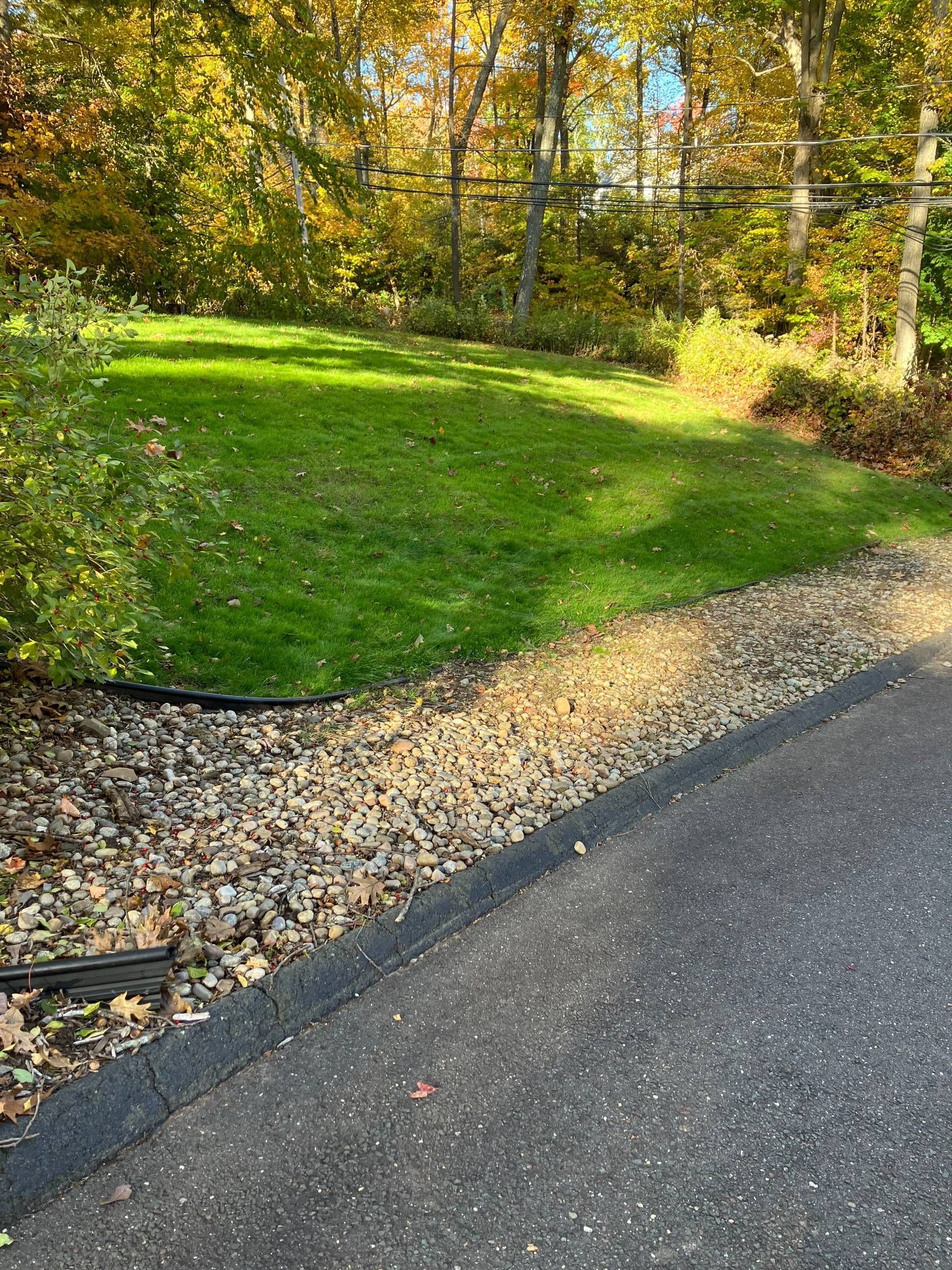
Lush green lawn with scattered leaves, white picket fence, and trees in background. Side of a building on the left.
February 9, 2026
Maintaining a healthy, vibrant lawn requires careful planning and attention to seasonal cycles. One of the most critical steps in achieving lush, resilient grass is proper lawn seeding. While many homeowners may attempt to seed their lawns at any time, the timing of this process significantly impacts its success.
Green lawns and houses in a residential neighborhood.
January 7, 2026
A well-maintained lawn is more than just a patch of green—it’s the first impression of your home, signaling care, attention, and pride in ownership. In today’s competitive real estate market, curb appeal can significantly influence a property’s perceived value,
Green lawn bordered by a hedge and mulch.
December 18, 2025
Maintaining a vibrant, healthy lawn and thriving trees is more than just a matter of aesthetics; it is a critical aspect of property care that affects long-term environmental and financial outcomes. Seasonal lawn and tree care ensures that landscapes remain resilient, attractive, and functional throughout the year.
Show More
Lush green lawn with scattered leaves, white picket fence, and trees in background. Side of a building on the left.
February 9, 2026
Maintaining a healthy, vibrant lawn requires careful planning and attention to seasonal cycles. One of the most critical steps in achieving lush, resilient grass is proper lawn seeding. While many homeowners may attempt to seed their lawns at any time, the timing of this process significantly impacts its success.
Green lawns and houses in a residential neighborhood.
January 7, 2026
A well-maintained lawn is more than just a patch of green—it’s the first impression of your home, signaling care, attention, and pride in ownership. In today’s competitive real estate market, curb appeal can significantly influence a property’s perceived value,
Green lawn bordered by a hedge and mulch.
December 18, 2025
Maintaining a vibrant, healthy lawn and thriving trees is more than just a matter of aesthetics; it is a critical aspect of property care that affects long-term environmental and financial outcomes. Seasonal lawn and tree care ensures that landscapes remain resilient, attractive, and functional throughout the year.
Show More